
The knowledge library explains the language and records encountered when comparing lyophilized peptide products. Articles are written for purchasing teams, distributors and brand colleagues who need a practical understanding of a large catalog. The focus is on product identity, supplied formats, documentation and clear business descriptions. Each article connects back to the relevant catalog or document section when an actual company record is available.
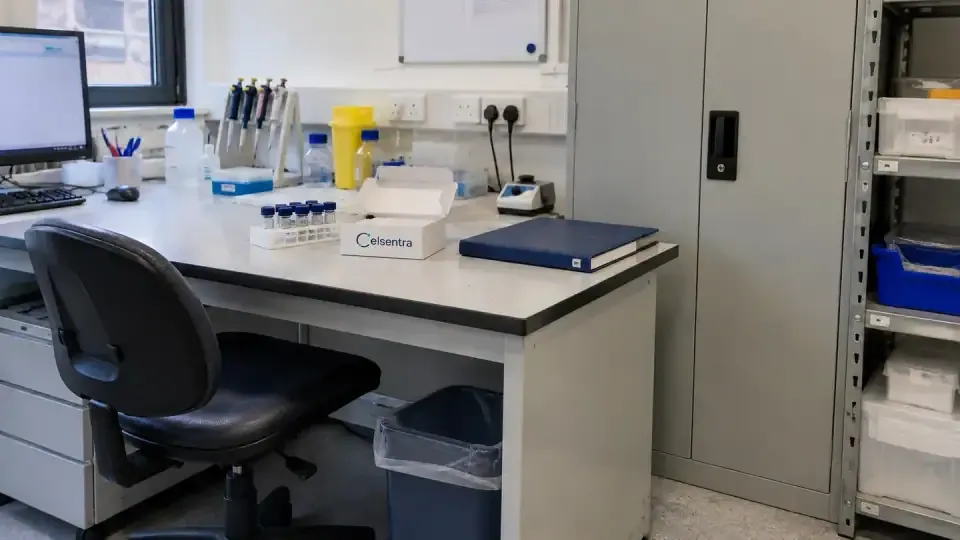
From a Product Name to a Useful Supply Record
A familiar product name is a useful starting point for a purchasing conversation, but it is not the whole supply record.
Read article
Reading a COA in Its Product Context
A certificate of analysis is most useful when it is read with the identity of the material it describes.
Read article
Product Families Help Browsing; Exact Records Support Buying
A product-family page is an efficient way to explore a broad peptide catalog.
Read articleBegin with the product record
Start with our guide to product names, SKUs and pack descriptions if you are building a purchasing list. The COA reading article explains how identifiers and dates connect a report to its context. Another guide discusses the difference between product-family browsing and choosing an exact supplied item. Together, these articles provide a common vocabulary that can be used across commercial, warehouse and technical conversations without turning a catalog page into personal-use instructions.
A company resource with a clear point of view
Peptide Atlas Lab is operated by Celsentra and explains the company’s products and related business services. It is not presented as an independent testing organization or a neutral ranking service. When an article refers to a product document, readers can open that source record. Broader examples are identified as explanations rather than new test findings. This makes the library useful as an introduction while keeping the boundaries between editorial context, product data and original documents clear.