
The standard catalog is a useful starting point, but some professional projects require a defined peptide sequence or a different documented supply brief. Celsentra offers custom-sequence synthesis as a separate service within its broader product business. Peptide Atlas Lab introduces the information that defines such a project and explains how a custom record differs from an existing catalog listing.
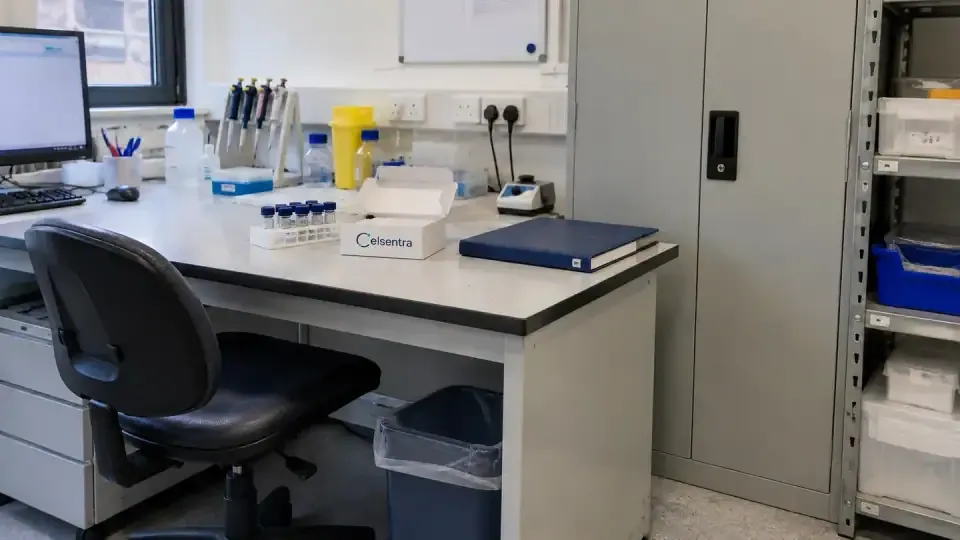
Describe the project as a specific material
A custom brief identifies the requested sequence, any specified modifications, the intended research context and the quantity being considered. The exact written specification matters because a familiar short name may not describe all of those details. The requested documents and analytical information should be part of the project description as well. These inputs give the commercial and technical discussion a common reference without suggesting that every possible sequence or specification is automatically available.
Keep custom work distinct from standard stock
A standard product can be compared against its existing catalog record and available batch information. A custom project requires a specification agreed for that project, with the delivered material and documents related to it. The same principle applies when a buyer requests a different packaging presentation or a product combination. Our catalog, packaging information and custom-service pages sit together so buyers can understand the options while preserving a clear description of what is actually supplied.